
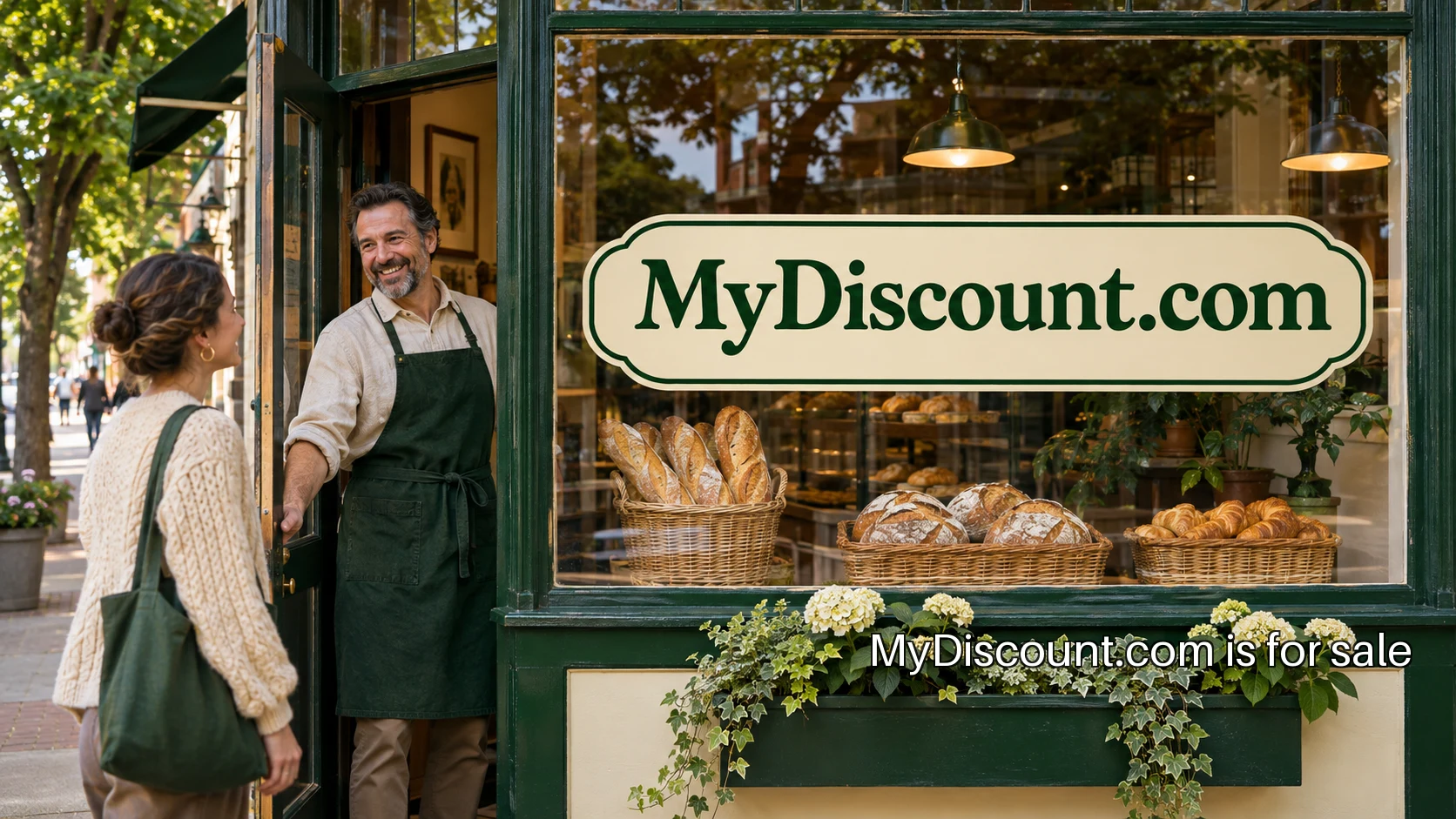
A local discount network has two customers to serve: the shopper trying to use an offer and the merchant expected to honor it. I would design those two experiences together. A polished directory is only the introduction; the test happens when a person reaches the counter and asks for the advertised benefit. MyDiscount.com could give a neighborhood network one name across its website and shop windows. This direction is illustrative, with no participating merchants or operating network included in the acquisition.
Choose a neighborhood you can support
A manageable launch area lets the operator visit merchants, understand their opening patterns and resolve questions directly. Select a compact district or a defined community before seeking broad coverage. The initial offer mix should match a plausible shopping trip. Three nearby merchants with complementary categories may provide a more understandable experience than scattered listings across an entire region.
Create a simple merchant selection standard. Look for a clear offer, an accountable contact and a redemption process the staff can explain. Participation should not require a complicated new checkout system during the pilot. Interview the person who will actually handle redemptions, rather than relying solely on the owner’s approval. A good idea can still fail if the evening team has never seen the offer.
Write the merchant agreement as an operating record
Capture the participating location, eligible products or services, benefit, exclusions, start and end dates, and the person who can approve changes. Establish how a merchant pauses or withdraws an offer and what happens to a shopper who saved an earlier version. A short written record prevents the public description from drifting away from the merchant’s intended terms.
Do not hide difficult details in a general participation statement. If advance booking is necessary, the shopper needs to know before arriving. If the benefit excludes weekends or sale merchandise, that restriction belongs beside the offer. Have the merchant review the exact public summary and the staff instructions together. Approval of a vague headline is not approval of every interpretation a shopper may draw from it.
Rehearse redemption at the counter
Use a practice visit before publishing the first offer. A tester should find the listing, read the instructions and show the required screen or membership identifier. Ask a staff member to complete the process without coaching from the network operator. Record the point where the employee hesitates. That is usually a better guide to a needed repair than another design review of the homepage.
A simple model could use an offer code checked against a current merchant sheet. Another might use a mobile screen with a date and location. Choose based on the risk and the merchant’s workflow, and be honest about its limitations. Do not describe a visual badge as a secure verification system. If a code can be reused, the merchant needs to know that before deciding whether it fits the benefit.
Collect only useful redemption information
A network operator may want to measure activity, but a local purchase should not automatically become an extensive personal record. Start by identifying the decision each field will support. An offer identifier and a success status can reveal a broken listing. A broad time period may support staffing analysis. Names, detailed baskets and precise location histories create additional responsibilities that may not serve the pilot.
The FTC’s guide to protecting personal information encourages businesses to understand what they hold and keep only what they need. Apply that principle to merchant exports as well as the public form. Define access, retention and deletion before data begins arriving. Give merchants a clear account of what the network shares with them, and tell shoppers what the chosen redemption method records.
Separate discovery from merchant endorsement
A listing can explain an offer without claiming that the network has inspected every aspect of the business. State what has actually been checked: merchant approval, current offer terms or a tested redemption. If placement is paid, label that relationship near the listing. If an operator publishes a personal recommendation based on a commercial relationship, it needs appropriate disclosure and a truthful basis.
The FTC’s endorsement guidance can help frame those disclosure decisions. Keep the editorial description distinct from the merchant’s own claim. A merchant’s assertion about product quality is not independent verification by the network. This distinction also gives the operator a consistent response when asked to publish claims it cannot support.
Build a small service routine
Assign an owner to every live offer and give merchants a dependable update channel. Check expiring listings before weekends and holidays when an incorrect offer may cause a wasted trip. A correction should update the public page, saved-offer view and staff instructions together. Keep old versions privately so a support conversation can establish what the shopper saw.
Launch with several merchants and observe ordinary redemptions before expanding the district. Ask shoppers what they expected, ask staff where the process interrupted checkout and compare those accounts with the recorded outcome. A network becomes easier to operate when these disagreements are resolved early. MyDiscount.com could be the shared name on the destination, window materials and neighborhood email, while the operator builds the merchant relationships that make the network useful.